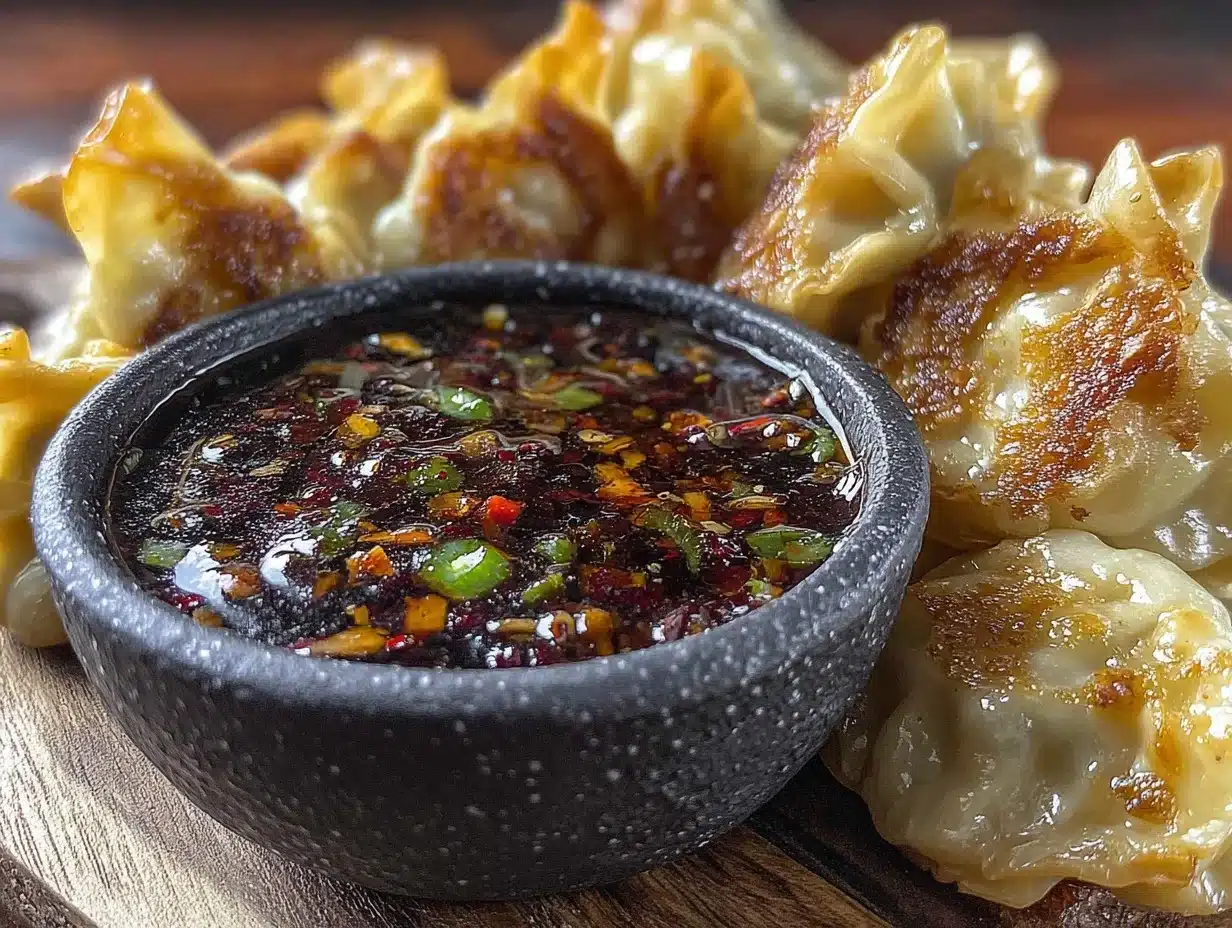
Secret to Authentic Potsticker Sauce: Perfect Umami & Acid Balance
There’s a certain magic that happens when a perfectly seared potsticker, crispy on the bottom and tender on top, meets its ideal companion: an impeccably balanced dipping sauce. For many, the memory of that first bite, the delicate interplay of savory filling, chewy wrapper, and a burst of vibrant flavor, evokes a sense of home and comfort. Yet, the secret to achieving this culinary harmony often lies not just in the dumpling itself, but in a masterful Easy 5-Minute Potsticker Sauce: Savory, Tangy & Umami Rich that cuts through richness and awakens the palate.
Forget the days of settling for plain soy sauce or overly sharp, one-note vinegary dips. Crafting an authentic potsticker sauce recipe is an art form, a symphony of flavors where umami depth meets bright acidity, softened by a touch of sweetness, and often punctuated by a hint of spice. This isn't just a condiment; it's the bridge that elevates a simple snack into an unforgettable culinary experience.
Through generations of kitchen wisdom and a touch of culinary science, we’ve honed a potsticker sauce recipe that promises a velvety texture, an irresistible savory-sweet balance, and a subtle chili crisp kick. It’s a versatile concoction that’s ready in mere minutes, perfect for everything from a quick weeknight dinner to an elegant appetizer party, or even as a quick marinade. Once you taste the difference, the bottled alternatives will become a distant memory.
The Culinary Alchemy: Why Balance is Key in Potsticker Sauce
The beauty of a potsticker lies in its multi-layered experience: the crisp, golden-brown exterior giving way to a tender, steamed dough, encapsulating a rich, savory filling. This complexity demands a sauce that doesn't just add flavor, but *enhances* it. A poorly balanced sauce can overpower, leaving a harsh aftertaste, or conversely, be too bland to make an impact. The goal is to create a dynamic counterpoint that brightens the richness of the fried dumpling, making each bite as exciting as the first.
The core principle behind a truly great potsticker sauce recipe is the interplay between umami and acid. Umami, the savory fifth taste, comes primarily from soy sauce, providing depth and satisfaction. Acid, typically from rice vinegar, acts as a palate cleanser, cutting through the oiliness of the fried wrapper and refreshing your taste buds for the next bite. Without this precise balance, the sauce can feel either flat or aggressive. The magic lies in softening the sharp edges of the vinegar with a touch of sugar and infusing the blend with potent aromatics, ensuring a harmonious and deeply satisfying finish.
Unveiling the Master Ingredients for Your Potsticker Sauce Recipe
Achieving this perfect balance starts with understanding the role of each ingredient. Here’s a breakdown of the essential components and why they are indispensable in our authentic potsticker sauce recipe:
- Soy Sauce: The Umami Foundation
Choose a good quality, light soy sauce as your base. It provides the deep, savory umami that is characteristic of Asian cuisine. Avoid excessively salty brands; taste and adjust if necessary. - Unseasoned Rice Vinegar: The Crisp Acidity
This is crucial. Unseasoned rice vinegar offers a clean, bright acidity without the added sugar or salt found in seasoned varieties. Its sharpness is vital for cutting through the richness of fried dumplings, physically breaking down the heavy feeling of pan-fried oils on the palate and awakening your taste buds. - Granulated Sugar: The Sweet Bridge
Often overlooked, sugar isn't just for sweetness; it acts as a chemical buffer. It softens the sometimes-harsh edges of the rice vinegar, allowing the complex umami notes of the soy sauce to truly shine through. It creates a seamless bridge between the savory and sour elements, resulting in a well-rounded flavor profile. - Fresh Grated Ginger: Aromatic Zing
Grating fresh ginger into a fine paste (rather than mincing) is a game-changer. This significantly increases the surface area, releasing far more of its essential oils and pungent, zesty flavor into the liquid. You get all the invigorating zing without the grit of larger chunks. - Fresh Grated Garlic: Pungent Depth
Similar to ginger, finely grating fresh garlic maximizes its flavor impact. It infuses the sauce with a robust, aromatic depth that complements the other ingredients beautifully, without overwhelming them. - Toasted Sesame Oil: Nutty Aroma & Emulsion Stability
The distinctive nutty aroma of toasted sesame oil is instantly recognizable and adds a layer of warmth and complexity. Beyond flavor, it provides a fat layer that helps carry fat-soluble flavor compounds from the chili crisp (if used) across your tongue, ensuring a longer-lasting and more satisfying finish. It also plays a key role in the sauce's texture and stability. - Chili Crisp or Red Pepper Flakes (Optional): The Kick
For those who enjoy a little heat, a spoonful of chili crisp adds not just spice but also textural interest and an extra layer of savory depth. Alternatively, a pinch of red pepper flakes offers a simpler, cleaner heat. This is a customizable element to suit your preference.
The Science Behind the Sizzle: Emulsion & Flavor Delivery
When you whisk the toasted sesame oil into the soy and vinegar base, you are creating a temporary emulsion. The natural sugars from the granulated sugar and the physical particles of the finely grated ginger and garlic help to keep these tiny oil droplets suspended throughout the liquid. This isn't just for aesthetics; it's fundamental to consistent flavor delivery. Every time you dip a potsticker, you get a harmonious mix of fat, salt, acid, and aromatics, rather than just a separate slick of oil on top. This stability ensures that the full spectrum of flavors is present in every delicious bite, truly demonstrating why this is the ultimate homemade potsticker dip, as further explored in Elevate Your Dumplings: The Ultimate Homemade Potsticker Dip.
Crafting Your Perfect Potsticker Sauce: A Step-by-Step Guide
Ready to whip up this irresistible condiment? This potsticker sauce recipe requires minimal effort for maximum flavor payoff.
Ingredients:
- 3 tablespoons light soy sauce
- 1 tablespoon unseasoned rice vinegar
- 1 teaspoon granulated sugar
- 1 teaspoon finely grated fresh ginger (use a microplane for best results)
- ½ teaspoon finely grated fresh garlic (use a microplane for best results)
- 1 teaspoon toasted sesame oil
- ½ - 1 teaspoon chili crisp or red pepper flakes (optional, to taste)
Instructions (Active Time: 5 minutes):
- Combine Liquids: In a small ceramic bowl or ramekin, combine the soy sauce, unseasoned rice vinegar, and granulated sugar. Whisk thoroughly until the sugar is fully dissolved. This foundational step ensures a smooth, sweet-and-sour base.
- Add Aromatics: Stir in the finely grated fresh ginger and garlic. The goal is a paste-like consistency, not chunky pieces. This distributes their potent flavors evenly throughout the sauce.
- Introduce Sesame Oil & Chili: Drizzle in the toasted sesame oil. If using chili crisp or red pepper flakes, add them now.
- Whisk to Emulsify: Whisk vigorously for about 30 seconds. You'll notice the sauce becoming slightly opaque as the oil emulsifies with the other ingredients. This creates that desirable velvety texture and ensures every dip is packed with balanced flavor.
- Taste and Adjust: Dip a clean spoon and taste. This is your chance to customize! If you prefer it sweeter, add a tiny pinch more sugar. More tangy? A few drops more vinegar. Spicier? Another dash of chili crisp.
- Serve Immediately: Your perfect potsticker sauce is ready to serve!
Pro Tip: For an extra layer of freshness and visual appeal, sprinkle some thinly sliced green onions or a few toasted sesame seeds on top just before serving. These simple additions elevate the experience even further.
Beyond Dumplings: Versatility of Your Homemade Potsticker Sauce
While this sauce is undeniably the perfect companion for potstickers, its balanced flavor profile makes it incredibly versatile. Don't limit its use!
- Stir-Fry Nights: Drizzle it over your favorite weeknight stir-fry for an instant flavor boost.
- Marinade Magic: Use it as a quick marinade for chicken, pork, or tofu before grilling or stir-frying. The acid helps tenderize, and the umami infuses deep flavor.
- Appetizer Parties: It’s an ideal dipping sauce for spring rolls, egg rolls, or even fresh vegetable sticks.
- Noodle Bowls: Whisk it into cold noodle salads or use it to dress steamed vegetables for a vibrant side dish.
- Rice Bowl Topper: A quick dash over a simple bowl of rice with a fried egg can transform it into a gourmet experience.
This authentic potsticker sauce recipe keeps well in an airtight container in the refrigerator for up to a week, though its vibrant fresh aromatics are best enjoyed within the first few days. Its ease of preparation means you can always have a fresh batch ready to go, turning any meal into an occasion.
Conclusion
The quest for the perfect potsticker sauce ends here. By understanding the fundamental principles of umami and acid balance, and by embracing the power of fresh, finely grated aromatics, you can create a dipping sauce that not only complements but elevates your dumplings to new heights. This 5-minute potsticker sauce recipe is more than just a blend of ingredients; it's a bridge to authentic flavors, a velvety texture, and a culinary experience that tastes like home. So go ahead, trust the process, and prepare to never look back at bottled sauces again. Your potstickers (and your taste buds) will thank you.
